Our Story
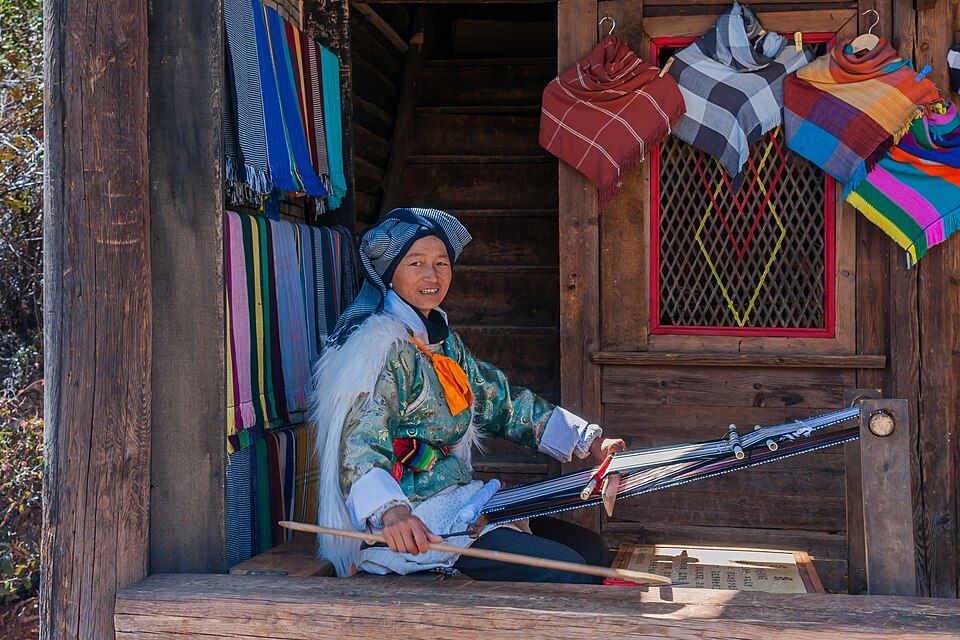
Loomcraft began in the spring of 2016, when Mara Ellison, a weaver trained on foot-powered looms in western Massachusetts, and Dev Okafor, a potter who had spent a decade in Asheville stoneware studios, decided to combine their workshops rather than compete for the same corner of a farmers market. What started as a shared table selling handwoven towels and stoneware mugs became a storefront within a year. We named the shop for the craft at its center: the loom, and the patient, repetitive work of building something by hand, thread by thread.
Our studio sits in a converted feed mill along Hudson's Warren Street corridor, two blocks from the river that once floated timber down from the Catskills. The building still smells faintly of grain and machine oil, which we've come to like. Looms occupy the north-facing rooms, where the light stays even through the afternoon, and a small retail floor up front lets visitors watch skeins go from bobbin to breast beam. It is a working shop first, open five days a week, and a store second.
Textiles and ceramics are made under the same roof but by different hands and different logics. Mara's looms run on tension and repetition, sixteen shafts, thousands of threads, a rhythm you can hear from the street. Dev's wheel work happens in the back room, where a smaller electric kiln handles glaze tests and one-off mugs before pieces travel south for firing. The two crafts rarely overlap in method, but they share a discipline: slow, unhurried, corrected by hand rather than machine when something goes wrong.
Not everything we sell is made in Hudson. Our dinnerware is wood- and gas-fired at a partner kiln in Asheville, North Carolina, run by potters Dev has worked alongside since his apprenticeship years. Our seagrass baskets come from a women's weaving cooperative in Oaxaca, a partnership now nine years running. Beeswax candles are poured from wax kept by a Catskills apiary an hour from our door, and our serving boards are cut from white-oak offcuts salvaged from a Pennsylvania hardwood mill. Each partner sets their own price and keeps their own methods.
We make in small batches, not because we can't scale, but because dye lots vary, kilns run hot in one corner and cool in another, and we'd rather sell what a batch actually produced than smooth it into sameness. We favor natural materials: plant dyes, local clay, undyed wool, wax instead of paraffin. And we stand behind repair over replacement. A torn hem, a chipped rim, a frayed fringe: bring it back and we'll mend it, refire it, or reweave it, for as long as we're able.